• Artificial Intelligence is no longer a distant concept reserved for tech giants and research labs. It’s here, embedded in the apps we use, the decisions we make, and increasingly, the way we manage our money. At the center of this transformation is AI-as-a-Service (AIaaS)—a cloud-based model that delivers intelligent capabilities to users without the need for complex infrastructure. From real-time trading to personalized wealth planning, AIaaS is redefining financial empowerment for individuals across the globe.

    What is AI-as-a-Service?

    AI-as-a-Service allows users to access powerful AI tools—like machine learning, natural language processing, and predictive analytics—through cloud platforms. This means individuals and businesses can tap into sophisticated AI systems without building them from scratch. The result? A more inclusive, scalable, and cost-effective way to integrate intelligence into everyday financial decisions.

    AI Trading Assistant: Smarter, Faster Market Moves

    The AI trading assistant is one of the most dynamic applications of AIaaS in finance. These systems analyze vast amounts of market data in real time, identifying patterns, trends, and anomalies that human traders might miss. Whether it’s suggesting entry and exit points or executing trades autonomously, AI trading assistants bring speed, precision, and consistency to the table.

    Why it matters:

    • Eliminates emotional bias from trading decisions
    • Operates 24/7 across global markets
    • Adapts to changing conditions with real-time insights

    Retail investors now have access to tools that rival those used by institutional traders, leveling the playing field and opening new possibilities for strategic investing.

    AI Investment Advisor: Personalized Wealth Management

    Long-term financial success requires more than just smart trades—it demands strategic planning. The AI Investment Advisor steps in as a digital wealth manager, using machine learning to build and adjust portfolios based on individual goals, risk tolerance, and market conditions.

    Key capabilities:

    • Personalized investment strategies
    • Automated portfolio rebalancing
    • Tax-efficient planning and optimization

    Unlike traditional advisors, these AI-driven systems operate continuously, learning from market behavior and user preferences to deliver hyper-relevant recommendations. They make wealth management accessible, affordable, and deeply personalized.

    Personal Finance Assistant: Everyday Financial Clarity

    Managing money isn’t just about investing—it’s about making smart choices every day. The Personal Finance Assistant is designed to help users track spending, set budgets, and plan for short-term goals. By syncing with bank accounts, credit cards, and digital wallets, it provides a comprehensive view of financial health.

    What it offers:

    • Categorized expense tracking
    • Predictive budgeting and cash flow analysis
    • Alerts for bills, low balances, and unusual activity

    Over time, the Personal Finance Assistant learns user habits and preferences, offering tailored advice and nudges that improve financial behavior. It’s like having a financial coach in your pocket—always watching out for your best interests.

    A Unified Financial Experience

    The real power of AIaaS lies in its ability to integrate these tools—AI trading assistant, AI Investment Advisor, and Personal Finance Assistant—into a seamless ecosystem. Imagine a platform where your spending habits inform your investment strategy, and your trading decisions adjust based on your long-term goals. AIaaS makes this possible through modular, interoperable services that evolve with your financial journey.

    This interconnected approach ensures that every financial decision is optimized, aligned, and informed by real-time data.

    Security and Ethics in AIaaS

    With AI handling sensitive financial data, security and ethics are paramount. Leading AIaaS providers invest heavily in encryption, multi-factor authentication, and compliance with global regulations. But beyond technical safeguards, ethical AI practices—like transparency, fairness, and accountability—are becoming essential.

    Users should choose platforms that prioritize explainable AI and offer clear insights into how decisions are made. While AI can automate and advise, human oversight remains crucial.

    Global Reach and Financial Inclusion

    AIaaS is not just a luxury for tech-savvy users in developed markets. Its cloud-based nature makes it accessible to anyone with an internet connection. In emerging economies, where financial literacy and access to banking services may be limited, tools like the Personal Finance Assistant can be transformative.

    Examples of impact:

    • Micro-investing apps powered by AI Investment Advisors
    • Region-specific AI trading assistants tailored to local markets
    • Multilingual finance assistants breaking down language barriers

    This global accessibility is driving financial inclusion, helping millions take control of their financial futures regardless of geography or income level.

    The Future of AI-as-a-Service in Finance

    The future of AIaaS in Finance is deeply intertwined with other emerging technologies. Think blockchain-enabled investment platforms, voice-activated finance assistants, or augmented reality dashboards for portfolio management. As AI models grow more sophisticated, they’ll not only react to market changes—they’ll anticipate them.

    Your AI trading assistant might soon simulate geopolitical scenarios. Your AI Investment Advisor could adjust your portfolio before a recession hits. And your Personal Finance Assistant might help you plan a vacation without derailing your savings goals.

    Conclusion: Intelligence Meets Empowerment

    AI-as-a-Service is more than a technological innovation—it’s a movement toward smarter, more inclusive financial decision-making. By placing intelligent tools like the AI trading assistant, AI Investment Advisor, and Personal Finance Assistant into the hands of everyday users, AIaaS is transforming how we interact with money.

    No longer do you need a financial degree or a team of analysts to make informed choices. With AIaaS, your financial future is not just manageable—it’s masterable.
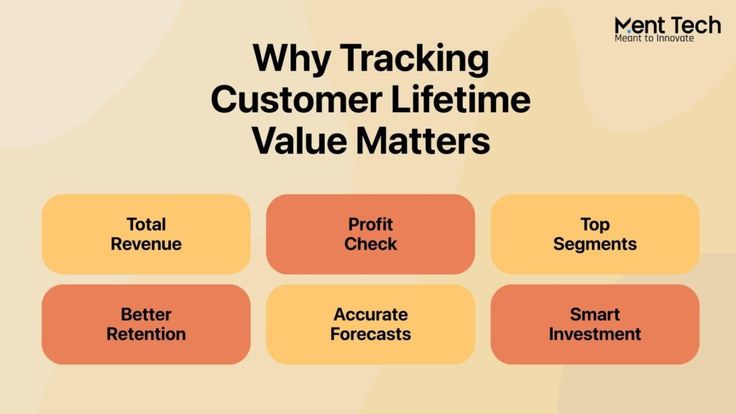

  • In today’s hyper-competitive market, businesses must look beyond one-time transactions and focus on the overall value each customer brings over the course of their relationship. This is where Customer Lifetime Value (CLV) becomes a strategic compass. CLV does more than measure revenue potential — it helps companies build sustainable growth strategies rooted in deeper customer understanding.

    Forward-thinking enterprises are now leveraging marketing analytics services, machine learning, and data-driven intelligence to identify high-value customers, predict behavior, and craft personalized experiences. The arrival of AI-Powered Customer Lifetime Value (CLTV) Optimization Services takes this capability even further, providing actionable insights that not only retain customers but also maximize their profitability over time.

    What is Customer Lifetime Value?

    At its core, CLV measures the total revenue a company can expect from a single customer account throughout their engagement with the brand. Rather than viewing customers as short-term transactions, CLV encourages organizations to consider long-term relationships, loyalty drivers, and the cost of maintaining those relationships.

    Accurate CLV models rely on a mix of historical data, predictive analytics, and real-time insights. This makes marketing analytics services a critical foundation. By collecting and analyzing behavioral data, these services highlight who your most profitable customers are, how they engage with your brand, and which actions lead to higher retention rates.

    Why CLV Matters More Than Ever?

    1. Resource Allocation: Businesses with reliable CLV insights can invest marketing dollars into the most impactful channels.
    2. Customer Segmentation: Identifying high-value segments allows brands to tailor communications, offers, and services to each group’s needs.
    3. Sustainable Revenue Growth: By improving retention and increasing repeat purchases, companies secure a consistent revenue stream.
    4. Strategic Decision-Making: Executives gain a clear roadmap for product development, pricing, and customer support improvements.

    With rising acquisition costs, focusing solely on bringing in new customers no longer guarantees success. Companies must extract deeper value from existing relationships — and AI solutions are proving indispensable in making this shift efficient and accurate.

    The Role of Marketing Analytics in CLV Optimization

    Modern marketing analytics services transform vast amounts of data into precise, actionable insights. They assess everything from clickstream behavior to purchase frequency and customer feedback, helping businesses uncover hidden patterns.

    Key contributions of analytics to CLV include:

    • Behavioral Scoring: Assigning predictive value to customers based on their interactions.
    • Churn Analysis: Identifying early warning signs before a customer leaves.
    • Campaign Effectiveness: Linking marketing initiatives directly to CLV changes.

    When integrated with advanced AI algorithms, analytics move from descriptive (“what happened”) to prescriptive (“what should we do next?”). This is where AI-Powered Customer Lifetime Value (CLTV) Optimization Services come into play.

    AI-Powered CLV Optimization: Moving Beyond Static Models

    Traditional CLV models rely heavily on past behavior, which can become outdated quickly. AI-Powered Customer Lifetime Value (CLTV) Optimization Services address this limitation by:

    • Real-Time Adaptation: Continuously refining predictions as customer data evolves.
    • Hyper-Personalization: Offering tailored product recommendations, pricing strategies, and loyalty rewards.
    • Automated Decision-Making: Allowing marketing teams to focus on strategy while AI systems execute data-driven actions.

    An AI development company specializing in customer data solutions can implement systems that integrate directly with CRM and sales platforms. This enables businesses to deploy intelligent pipelines that score leads, segment audiences, and target high-value customers instantly.

    Working with an AI Development Company for CLV Excellence

    Businesses looking to operationalize CLV must do more than adopt a single tool — they need an integrated approach built on scalable technology. Partnering with an AI development company provides several advantages:

    • Custom-Built Models: Off-the-shelf CLV calculators often fail to capture industry nuances. A specialized team can design models tailored to your sector.
    • Seamless Integration: Whether it’s e-commerce platforms, CRMs, or ERP systems, professional AI engineers ensure data flows smoothly.
    • End-to-End Support: From building predictive models to deploying dashboards, companies benefit from complete lifecycle assistance.
    • Future-Proofing: AI experts ensure solutions are adaptable to new technologies, data privacy regulations, and market conditions.

    By working closely with an AI development company, enterprises avoid fragmented technology stacks and gain cohesive systems that can adapt alongside their growth.

    Broader Horizons: Extending AI Solutions Beyond CLV

    While optimizing CLV is a powerful goal in itself, the same technologies can transform nearly every aspect of business operations. AI solutions used in CLV models can also:

    • Enhance demand forecasting, helping retailers and suppliers maintain optimal inventory levels.
    • Power dynamic pricing engines, adjusting prices in real time to maximize margins without losing loyalty.
    • Support personalized marketing journeys, ensuring every touchpoint feels relevant and timely.
    • Enable fraud detection systems, safeguarding revenue by spotting anomalies early.

    In other words, CLV-focused AI systems don’t just improve marketing performance — they set the stage for enterprise-wide digital transformation.

    Overcoming Challenges in CLV Implementation

    Despite its strategic value, implementing a robust CLV strategy presents challenges:

    1. Data Quality: Inaccurate or incomplete customer records can lead to unreliable predictions.
    2. Siloed Information: When sales, marketing, and support teams don’t share data, the full picture of a customer’s value is lost.
    3. Organizational Buy-In: Leadership teams must commit to using CLV insights to guide decision-making.
    4. Technology Gaps: Businesses without a strong infrastructure may struggle to support real-time AI applications.

    By investing in marketing analytics services and collaborating with an AI development company, these obstacles can be systematically addressed. Comprehensive data pipelines, cloud-based systems, and AI-driven dashboards provide the clarity needed to keep strategies aligned with customer behavior.

    Best Practices for Maximizing CLV with AI

    To ensure success with AI-Powered Customer Lifetime Value (CLTV) Optimization Services, companies should follow these best practices:

    • Start with Clean Data: Validate your existing datasets before feeding them into AI models.
    • Segment Strategically: Focus on customer groups with the highest growth potential first.
    • Iterate Frequently: Allow AI systems to recalibrate as new behavior patterns emerge.
    • Measure ROI: Establish clear benchmarks to evaluate how AI impacts revenue and retention.
    • Integrate Across Functions: Share CLV insights with product teams, customer support, and leadership for a company-wide impact.

    These principles ensure that CLV initiatives are not isolated efforts but key drivers of long-term organizational success.

    The Future of CLV: Intelligent, Adaptive, and Proactive

    Looking ahead, CLV will move beyond static reporting into a proactive, automated discipline. Instead of simply measuring value after the fact, companies will anticipate customer needs and act in real time to increase lifetime revenue.

    The integration of AI solutions into CLV strategies will allow brands to:

    • Predict which customers will become long-term advocates.
    • Automatically deliver retention campaigns at critical moments.
    • Continuously optimize pricing, offers, and services to match evolving customer preferences.

    By combining marketing analytics services with AI-Powered Customer Lifetime Value (CLTV) Optimization Services, organizations can ensure they stay ahead of shifting market dynamics and consumer expectations.

    Conclusion: Turning Insight into Sustainable Growth

    Customer Lifetime Value is no longer just a marketing metric — it is a business-wide strategy for maximizing profitability, improving experiences, and building loyalty. With marketing analytics services providing a strong data foundation and AI solutions driving intelligent decision-making, companies are empowered to focus on long-term growth rather than short-term wins. Collaborating with an AI development company ensures these strategies are properly implemented, scalable, and continuously refined. As organizations embrace AI-Powered Customer Lifetime Value (CLTV) Optimization Services, they are not just predicting the future of customer relationships — they are actively shaping it.

    In an environment where every interaction matters, those who master CLV through advanced AI will secure a decisive competitive advantage.Organizations aiming to put these strategies into action can benefit from working with specialized partners. Ment Tech delivers marketing analytics services, AI-Powered Customer Lifetime Value (CLTV) Optimization Services, and custom models developed by an experienced AI development company. With advanced AI solutions, Ment Tech helps businesses transform CLTV insights into precise, revenue-driving strategies.

    For deeper understanding of how to maximize Customer Lifetime Value with intelligent analytics and automation, explore practical approaches that strengthen customer relationships and fuel long-term growth.

  • Blockchain fundraising has reshaped how innovative ventures secure capital. Whether through Initial Coin Offerings (ICOs), Initial DEX Offerings (IDOs), or Security Token Offerings (STOs), token sales allow projects to reach global investors quickly. But success doesn’t happen by accident. In an environment where competition is fierce and regulations are becoming stricter, launching a token demands a strategic, phased approach to marketing.

    This article focuses on five critical pillars of ICO/IDO/STO Marketing that help projects build visibility, attract investors, and maintain long-term credibility.

    Why Marketing Defines Token Launch Success?

    A token launch is more than a technical event. It’s a public introduction to the market — a chance to prove value, inspire confidence, and establish a community. Projects face several hurdles:

    • Overcrowded market conditions with hundreds of token sales competing for investor attention.
    • Skeptical investors who have become cautious after years of volatile token performance.
    • Global compliance requirements that make regulation a central factor for STOs and increasingly relevant for ICOs and IDOs.
    • Short attention cycles where hype alone no longer sustains price or engagement post-launch.

    A robust marketing framework ensures a token offering is not only noticed but trusted.

    The Five Core Services Driving ICO/IDO/STO Marketing

    ICO Marketing Company

    Working with an ICO Marketing Company provides projects with specialized knowledge of blockchain markets, investor behavior, and promotional regulations. These agencies design end-to-end campaigns that integrate branding, media outreach, and targeted investor communication.

    By managing exchange requirements, ad placements, and community growth, such companies free development teams to focus on building their product while ensuring that the token launch is positioned for maximum visibility and impact.

    Token Fundraising & VC/Investor Outreach

    A strong investor base goes beyond retail participation. Token Fundraising & VC/Investor Outreach strategies connect projects with institutional investors, venture capital firms, and private funds. These backers bring both capital and credibility, validating the project in the eyes of the broader market.

    Clear investor decks, detailed tokenomics, and well-structured financial plans are key to meeting institutional expectations. Strategic outreach helps secure long-term partners who can provide support beyond initial funding.

    Pre-Launch & Whitelist Funnel Growth

    Successful token launches begin well before the sale opens. Pre-Launch & Whitelist Funnel Growth ensures there is a verified, engaged investor base ready to participate from the first moment. This preparation avoids weak participation and enhances price stability during early trading.

    Efforts often include targeted campaigns, webinars, community incentives, and email collection funnels. A carefully prepared whitelist also helps projects comply with investor verification requirements, increasing overall trust in the offering.

    Launchpad Marketing Support

    For decentralized offerings, Launchpad Marketing Support is essential. Launchpads provide a curated environment where retail investors look for credible projects. Marketing for launchpads involves partnership building, coordinated announcements, and transparency about token economics.

    By optimizing visibility on trusted platforms, projects not only access a ready-made community but also gain validation from the launchpad itself — a major signal of quality for potential investors.

    Post-Launch Support

    The token sale is just the beginning. Post-Launch Support keeps momentum alive by maintaining liquidity, attracting exchange listings, and communicating consistently with investors. Without this ongoing effort, many projects see token activity decline sharply after the initial raise.

    Market-making strategies, community updates, and continued PR campaigns help ensure sustainable growth, making it easier to launch additional fundraising rounds or expand the project ecosystem later on.

    Building a Unified Strategy Around These Pillars

    These services are most effective when integrated into a single roadmap:

    • Before launch — craft a compelling message, grow a whitelist, and target key investors.
    • During launch — leverage launchpads and institutional partnerships to drive demand.
    • After launch — maintain trust, support liquidity, and provide regular project updates.

    By combining expert guidance with structured marketing, token projects can maximize participation while ensuring regulatory alignment and long-term sustainability.

    Why These Five Areas Matter Most?

    Not every service delivers equal impact. Prioritizing these five areas provides:

    1. Market credibility through an experienced ICO Marketing Company.
    2. Investor confidence by focusing on Token Fundraising & VC/Investor Outreach.
    3. Strong launch participation through Pre-Launch & Whitelist Funnel Growth.
    4. Decentralized exposure via Launchpad Marketing Support.
    5. Sustained momentum with robust Post-Launch Support.

    Together, these efforts create a comprehensive strategy for raising capital effectively while maintaining project health beyond the initial sale.

    Conclusion

    The era of hype-driven token launches is over. Today’s investors expect professional execution, transparent communication, and clear long-term plans. A successful ICO, IDO, or STO requires disciplined marketing at every stage — from pre-sale to post-launch.

    By focusing on ICO Marketing Company, Token Fundraising & VC/Investor Outreach, Pre-Launch & Whitelist Funnel Growth, Launchpad Marketing Support, and Post-Launch Support, blockchain ventures can confidently attract funding, build investor trust, and thrive in a competitive Web3 environment.

    Ment Tech delivers tailored solutions for blockchain fundraising, offering expert support in marketing, investor outreach, and launch strategies. Their proven methods help ICO, IDO, and STO projects achieve successful token sales while building lasting market credibility.

  • Decentralized Finance (DeFi) is reshaping the global financial system by replacing intermediaries with open, transparent, and programmable protocols. Instead of relying on banks, brokers, or centralized platforms, users now have access to financial services through decentralized infrastructure built on blockchain technology. These infrastructure products power the core of DeFi ecosystems, enabling trustless trading, secure governance, capital formation, and seamless user engagement.

    From trading platforms to governance frameworks, from liquidity provisioning to token launches, DeFi infrastructure products are redefining how finance operates. Below is an in-depth overview of the essential components that make decentralized finance thrive.

    DEX Platform – Enabling Peer-to-Peer Trading

    A DEX Platform (Decentralized Exchange Platform) forms the backbone of DeFi markets. Unlike centralized exchanges, where funds are stored by a third party, decentralized exchanges allow users to retain control of their assets through self-custodial wallets. Transactions occur directly on the blockchain, reducing the risks of hacks, fraud, or censorship.

    Key characteristics include:

    • Automated Market Makers (AMMs): Eliminating traditional order books, AMMs use liquidity pools to price assets algorithmically.
    • Cross-chain functionality: Advanced DEXs now support multi-chain trading, improving asset interoperability.
    • Reduced counterparty risk: Users swap tokens without giving up control of their private keys.

    This infrastructure not only ensures trustless trading but also increases market access for projects and investors worldwide.

    DAO Governance Engine – Decentralizing Decision-Making

    For DeFi protocols to remain transparent and community-driven, a DAO Governance Engine (Decentralized Autonomous Organization engine) is critical. This framework empowers token holders to propose and vote on upgrades, treasury allocations, or protocol parameters.

    Essential components include:

    • Voting mechanisms: Weighted by governance tokens to ensure proportional representation.
    • Proposal frameworks: Allowing community members to initiate changes without requiring centralized approval.
    • On-chain execution: Ensuring decisions are automatically implemented without intermediaries.

    With DAOs, infrastructure products evolve through collective input rather than centralized mandates, fostering stronger community trust and protocol sustainability.

    Wallet & DeFi Portfolio Tracker – Managing Assets Seamlessly

    Every DeFi participant needs a secure, user-friendly Wallet & DeFi Portfolio Tracker. These tools allow users to store digital assets, interact with decentralized applications (dApps), and monitor their investments in real-time.

    Advanced wallet solutions now integrate:

    • Portfolio analytics: Real-time charts, asset allocation breakdowns, and performance history.
    • Multi-chain support: Access to tokens and dApps across different blockchain networks.
    • Security features: Hardware integration, biometric authentication, and seed phrase encryption.

    This infrastructure ensures that users can manage their digital wealth efficiently while keeping full custody of their private keys—an essential principle of DeFi.

    Liquidity Pools and Token Locking – Fueling Market Efficiency

    Liquidity is the lifeblood of DeFi. Liquidity Pools and Token Locking mechanisms enable decentralized exchanges, lending protocols, and synthetic assets to function smoothly.

    • Liquidity pools: Users deposit tokens to facilitate trading and earn rewards (such as fees or protocol incentives). These pools eliminate reliance on centralized market makers.
    • Token locking: Projects lock team or investor tokens to prevent premature selling, signaling long-term commitment and reducing market volatility.

    These systems align incentives between protocol developers, investors, and users, ensuring that markets stay liquid and projects gain credibility.

    Token Presale and Launchpad Platform – Enabling Capital Formation

    Raising capital for new blockchain projects has shifted from traditional venture funding to community-driven models. A Token Presale and Launchpad Platform gives startups a fair, transparent way to raise funds directly from global investors.

    Core advantages include:

    • Decentralized access: Anyone with a compatible wallet can participate in presales, democratizing investment opportunities.
    • KYC/AML options: Regulatory compliance can be integrated where required.
    • Token distribution: Smart contracts automate allocations, preventing human error or manipulation.

    Launchpads have become the go-to solution for startups seeking early adopters and for investors searching for vetted, high-potential projects.

    How These Infrastructure Products Work Together?

    DeFi infrastructure products are not standalone tools; they form a connected ecosystem:

    • A project raises funds through a Token Presale and Launchpad Platform.
    • It uses Liquidity Pools and Token Locking to stabilize its token market.
    • Governance decisions are guided by a DAO Governance Engine, ensuring decentralization.
    • The token is listed on a DEX Platform, giving users instant access to trading.
    • Investors manage assets using a Wallet & DeFi Portfolio Tracker, monitoring their performance across the ecosystem.

    This interdependence creates a robust foundation for DeFi protocols to scale while remaining transparent, secure, and user-centric.

    The Impact of DeFi Infrastructure on the Global Financial Landscape

    The rise of DeFi infrastructure products has significantly altered how value flows across borders:

    • Financial inclusivity: Anyone with internet access can trade, lend, or borrow without traditional bank accounts.
    • Transparency and auditability: All transactions are on-chain, enabling real-time verification and reducing fraud.
    • Lower costs: By eliminating intermediaries, users avoid high service fees and enjoy better rates.
    • Programmable finance: Smart contracts automate processes such as interest payments, staking rewards, and governance decisions.

    These innovations not only reshape cryptocurrency markets but also challenge legacy financial systems to evolve.

    Challenges and Future Outlook

    While DeFi infrastructure is powerful, it faces hurdles:

    1. Regulatory uncertainty: Governments worldwide are still defining legal frameworks for DeFi.
    2. Security risks: Protocol exploits and smart contract vulnerabilities remain persistent challenges.
    3. User experience barriers: Many platforms are still too complex for mainstream adoption.
    4. Scalability limitations: Network congestion and high gas fees can reduce accessibility.

    Future advancements will focus on:

    • Layer-2 scaling to improve transaction speeds and lower fees.
    • Improved DAO frameworks for more efficient decision-making.
    • Enhanced wallet interfaces to attract non-technical users.
    • Hybrid launchpads balancing decentralization with regulatory compliance.

    Conclusion: Powering the Next Wave of Finance

    DeFi infrastructure products—such as DEX Platform, DAO Governance Engine, Wallet & DeFi Portfolio Tracker, Liquidity Pools and Token Locking, and Token Presale and Launchpad Platform—are laying the groundwork for an open, borderless financial future. These tools empower communities to govern protocols, investors to manage assets securely, and startups to raise capital transparently.

    As these technologies mature, DeFi will continue to evolve from a niche sector into a mainstream financial ecosystem. By building on these foundational products, developers and businesses are not just creating financial tools—they are reimagining finance itself.

    Ment Tech delivers end-to-end DeFi infrastructure solutions, including DEX platforms, DAO governance engines, wallets, liquidity systems, and token launchpads tailored for emerging projects.
    For inquiries, visit www.ment.tech or contact them at contact@ment.tech.

  • Getting a token listed on a centralized exchange is a significant achievement, but it’s only the beginning of the journey. Without a carefully planned roadmap, the initial excitement can fade, leaving the project without sustained momentum. To truly capitalize on a listing, you need a strategic combination of centralized crypto exchange development, crypto fundraising services, crypto marketing agency expertise, centralized exchange listing services, and crypto community building services—all working together to create visibility, trust, and market strength.

    Why Listing Alone Isn’t Enough?

    A token listing may generate buzz, but that attention can vanish quickly if not backed by ongoing efforts. Many projects focus entirely on securing a listing and overlook the critical post-launch phase. The result is often declining volume, lower engagement, and missed opportunities. The key to long-term success lies in treating the listing as a launchpad rather than the finish line, supported by experienced centralized exchange listing services that can guide every step.

    The Core Elements of Post-Listing Success

    1. Visibility

    In today’s crowded crypto market, a listing by itself doesn’t guarantee trader attention. Effective exposure requires strategic campaigns, coordinated announcements, and consistent presence across social channels and trading communities. A professional crypto marketing agency can orchestrate these efforts, ensuring your token stays in the spotlight well beyond its debut.

    2. Liquidity and Fundraising

    Liquidity is the lifeblood of any traded asset. Without it, even the most promising projects can struggle to attract buyers and sellers. Incorporating crypto fundraising services and working with market makers helps maintain healthy trading activity, ensuring stability and encouraging long-term participation from investors.

    3. Credibility and Community

    A listing signals legitimacy, but credibility must be reinforced through transparency, timely project updates, and authentic engagement. With the help of dedicated crypto community building services, you can create a loyal base of supporters who contribute to organic growth and strengthen the project’s reputation.

    Building a Successful Listing Strategy

    Prepare Before You Launch

    Before applying for a listing, make sure the fundamentals are solid—this means having an audited smart contract, clear and sustainable tokenomics, and meeting all regulatory and compliance requirements. A well-prepared project has a much higher chance of sustaining its momentum after launch.

    Choose the Right Exchange

    The biggest exchange isn’t always the best first step. Sometimes, mid-tier or region-focused platforms offer greater visibility and stronger engagement for emerging projects. Expert centralized exchange listing services can help you select the exchange that aligns with your goals and growth phase.

    Ensure Liquidity from Day One

    Your listing day is your first real impression on traders. By securing liquidity in advance through crypto fundraising services and market-making support, you can keep trading activity active and appealing from the start.

    Align Marketing with Your Listing

    A listing should be the centerpiece of a coordinated promotional push. With the help of a crypto marketing agency, you can synchronize PR, influencer outreach, social media buzz, and community events to build anticipation before the listing and maintain interest afterward.

    Think Beyond the First Listing

    Treat your initial listing as a stepping stone. Plan for additional exchange listings, expanded regional access, and deeper community engagement as part of a long-term strategy for growth and recognition.

    What the Right Partner Brings to the Table?

    A skilled listing partner does more than secure a place for your token—they bring strategy, relationships, and execution that turn a listing into a lasting advantage. The best centralized exchange listing services typically provide:

    • Tailored exchange recommendations based on your market fit and stage of growth.
    • Complete compliance and technical preparation, from audits to tokenomic adjustments.
    • Direct relationships with exchanges, enabling faster approvals and better positioning.
    • Liquidity strategies to ensure smooth and appealing market activity.
    • Marketing alignment to integrate listing announcements into wider campaigns.
    • Ongoing post-listing support for tracking performance and planning follow-up launches.

    Mistakes to Avoid When Listing

    • Listing too early – Launching without a community or solid fundamentals can damage credibility.
    • Choosing the wrong exchange – Not every platform will suit your audience or project stage.
    • Neglecting liquidity – Without consistent volume, traders may lose interest.
    • Abandoning marketing after launch – Momentum requires continuous promotion.
    • Treating listing as the end goal – The real work begins after your token goes live.

    Conclusion

    A token listing should be seen as the start of an exciting growth journey—not the final destination. By integrating centralized crypto exchange development, crypto fundraising services, specialized crypto marketing agency strategies, trusted centralized exchange listing services, and robust crypto community building services, you can transform a single listing event into long-term success. With the right preparation, partnerships, and execution, your token’s presence on an exchange can become the foundation for sustained visibility, credibility, and investor confidence.

    Ment Tech offers complete crypto exchange listing services—from exchange selection and liquidity management to post-launch marketing—ensuring your token is positioned for success.
    For more information, visit www.ment.tech or email contact@ment.tech.

  • In the fast-evolving digital landscape—especially in Web3, blockchain, and emerging tech sectors—visibility is no longer just about paid ads or one-off promotions. Today’s most impactful brands are built on trust, authenticity, and active community engagement. Influencer and community marketing services have emerged as critical pillars for establishing that credibility, fostering relationships, and driving sustainable adoption.

    From carefully curated influencer campaigns to grassroots telegram and discord community building, brands that strategically invest in both visibility and relationships gain a lasting competitive advantage. Let’s dive into how these services work, why they matter, and how they can transform a project from “unknown” to “unmissable.”

    The Strategic Power of Influencer Campaigns

    An influencer campaign is far more than asking a popular personality to “post a tweet” or “share a story.” In Web3 and emerging industries, influencer collaborations need to be hyper-targeted, trust-based, and community-driven.

    A successful campaign involves:

    • Identifying influencers whose followers overlap with your target audience.
    • Aligning the influencer’s personal brand with your project’s mission.
    • Crafting compelling narratives that resonate with the audience’s aspirations and pain points.
    • Measuring engagement, conversions, and sentiment—not just impressions.

    Brands that execute well-designed influencer campaigns see deeper engagement because the recommendation comes from a trusted voice. Instead of shouting into the void, you’re speaking through someone who has already built credibility with your desired audience.

    Cross-Chain Influencer Network Activations for Maximum Reach

    In the Web3 ecosystem, blockchain platforms are diverse, each with its own audience, language, and culture. This is where cross-chain influencer network activations become a game-changer.

    Instead of being limited to one chain’s community (e.g., Ethereum, Solana, BNB Chain), you can engage influencers who operate across multiple chains, enabling your brand to:

    • Gain visibility in multiple ecosystems simultaneously.
    • Tap into varied user bases, from NFT collectors to DeFi traders to gaming communities.
    • Build multi-chain brand recognition, which is critical for projects aiming to be chain-agnostic.

    These activations are coordinated campaigns that synchronize influencers across platforms to create unified messaging. This coordinated push generates network effects—your brand gets seen, discussed, and shared in overlapping circles, creating exponential awareness.

    Founder Branding and Publicity Setup: Humanizing the Vision

    In the crypto and tech industry, people don’t just invest in projects—they invest in the vision and the people behind it. That’s why founder branding and publicity setup is essential for gaining trust.

    This process involves:

    • Positioning the founder as a thought leader through interviews, panels, and articles.
    • Optimizing online presence across LinkedIn, Twitter (X), podcasts, and other channels.
    • Building a consistent personal narrative that aligns with the brand’s mission and values.

    Strong founder branding ensures that even if your project is new, your leadership is seen as credible and visionary. The public gets a relatable human face to associate with the brand, creating stronger emotional connections.

    Telegram and Discord Community Building: Your Brand’s Digital Home

    In Web3, a community is more than a social media following—it’s a decentralized tribe of advocates, investors, and users. Telegram and Discord community building is about creating a space where these people can gather, interact, and grow with the project.

    Key elements of this service include:

    • Setting up structured, engaging channels and categories.
    • Implementing content calendars to keep members informed and active.
    • Hosting regular Q&A sessions, competitions, and updates to maintain momentum.
    • Moderation strategies to ensure conversations remain positive and spam-free.

    A well-built community acts as your project’s heartbeat—keeping people engaged between major announcements and helping turn casual followers into long-term supporters.

    Community Leader / Campaign Ambassador Setup: Grassroots Influence

    No matter how effective your central team is, real growth often comes from within the community. That’s why community leader/ campaign ambassador setup is crucial.

    Community leaders and ambassadors:

    • Act as the bridge between the core team and the community.
    • Organize local events, create content, and drive engagement in specific regions.
    • Offer cultural and linguistic context, making the brand relatable in different markets.

    Ambassador programs reward loyal community members for their contributions, turning them into active marketers for your brand. This bottom-up growth is often more sustainable and authentic than top-down advertising.

    Language-Based Micro-Community Growth for Global Reach

    The Web3 space is global, but language barriers can be a major obstacle. Language-based micro-community growth solves this problem by creating smaller, localized communities within the larger ecosystem.

    For example:

    • A main English-speaking group might have spin-offs in Spanish, Mandarin, Russian, and Arabic.
    • Each micro-community has its own moderators and localized content.
    • Local AMAs, events, and influencer collaborations make these communities feel directly connected to the brand.

    This approach not only increases inclusivity but also significantly improves conversion rates in non-English-speaking markets. It sends a clear message: “We’re here for you, in your language, in your cultural context.”

    Tier1 and Tier2 AMA & Podcast Placements: Expanding the Narrative

    Ask Me Anything (AMA) sessions and podcasts are excellent platforms to share your story in detail. Tier1 and Tier2 AMA & podcast placements allow your brand to appear on highly respected channels as well as niche, targeted shows.

    Tier 1 placements focus on high-reach outlets with massive audiences—perfect for brand visibility. Tier 2 placements, while smaller, often have higher engagement and more targeted communities. A balanced mix ensures you:

    • Reach a large audience for brand awareness.
    • Engage deeply with niche communities that can become early adopters or investors.

    These appearances give you a chance to answer tough questions, build transparency, and position your team as approachable and trustworthy.

    Integrating Influencer and Community Marketing for Maximum Impact

    While each service—whether it’s influencer campaigns or telegram and discord community building—can deliver results independently, the real magic happens when they are combined into a single, coherent strategy.

    For instance:

    • An influencer introduces the brand to their audience.
    • Interested users join the brand’s Telegram or Discord community.
    • Community leaders and ambassadors keep them engaged.
    • Localized micro-communities and AMA sessions deepen the connection.

    This multi-touchpoint approach ensures that no potential supporter slips through the cracks. Every interaction reinforces trust, familiarity, and interest.

    Measuring Success in Influencer and Community Marketing

    Metrics go beyond “likes” and “followers.” Key performance indicators (KPIs) include:

    • Community growth rate and activity levels.
    • Conversion rates from influencer-driven traffic.
    • Sentiment analysis across channels.
    • Retention and repeat engagement over time.

    Long-term success depends on fostering real relationships, not just numbers.

    Conclusion: Building Trust and Advocacy in the Decentralized Era

    In a digital world where audiences are more skeptical than ever, influencer and community marketing services provide a roadmap to authenticity, connection, and sustainable growth.

    From cross-chain influencer network activations to language-based micro-community growth, from founder branding and publicity setup to tier1 and tier2 AMA & podcast placements, these strategies ensure that brands are not only seen but also trusted and embraced.

    In Web3 and beyond, attention is valuable—but advocacy is priceless. By investing in strategies that connect people to your brand’s mission and story, you lay the foundation for long-term success.

    Ment Tech offers tailored influencer and community marketing strategies that help brands grow globally while building trust at a local level. Whether you need high-impact influencer campaigns, strong telegram and discord community building, or multilingual micro-community programs, Ment Tech ensures every activation is designed for measurable impact.

    Contact Ment Tech today at Contact@ment.tech or visit http://www.ment.tech to explore how we can help your brand lead in the decentralized era.

  • Generative AI services are revolutionizing various industries by enabling organizations to develop innovative solutions such as AI copilot creation, custom ChatGPT for business, conversational AI and chatbot development, and LLM development. Leveraging advancements in multimodal AI, prompt engineering and optimization, and generative AI integration services, companies are adopting adaptive AI development strategies to enhance productivity, creativity, and customer engagement.

    Understanding Generative AI Development

    At its core, generative AI development involves creating artificial intelligence models capable of generating new, original content—whether text, images, audio, or code—based on learned data patterns. Unlike traditional AI that classifies or analyzes information, generative AI produces fresh outputs, making it invaluable for creative processes, software development, and personalized customer experiences.

    The emergence of large language models (LLMs) has further escalated the potential of this technology. LLM development focuses on building and fine-tuning these models to serve specific organizational goals, ranging from automating customer support to generating complex codebases.

    AI Copilot Creation: Enhancing Productivity

    One of the prominent trends in generative AI services is the development of AI copilots. These AI-powered assistants seamlessly integrate with existing software tools to help users by automating routine tasks, offering intelligent suggestions, and speeding up workflows.

    For example, in software development, AI copilots analyze code in real-time, identify bugs, propose fixes, and suggest improvements, effectively functioning as an on-demand coding partner. Similarly, in business environments, copilots assist professionals in drafting documents, managing emails, and summarizing reports, significantly boosting workplace efficiency.

    Generative AI Consulting: Strategies for Innovation

    Given the complexity and rapid evolution of generative AI technologies, generative AI consulting has become critical for businesses aiming to leverage these capabilities effectively. Expert consultants guide organizations through the AI adoption lifecycle—from identifying the right use cases and developing custom models to deploying scalable solutions integrated with existing infrastructure.

    Consulting services also emphasize ethical AI use, risk mitigation, and regulatory compliance, ensuring that generative AI deployments align with organizational values and legal frameworks.

    Custom ChatGPT for Business: Personalized Conversational Interfaces

    Custom ChatGPT for business solutions offer companies conversational AI tailored to their unique operational needs and customer engagement strategies. Unlike generic chatbots, these customized models are fine-tuned with proprietary data to provide context-aware, relevant responses that enhance user satisfaction while reducing support costs.

    Such tailored conversational agents are widely used in customer service, virtual assistants, and automated sales support, providing hyper-personalized interactions that drive business growth.

    Multimodal AI: Bridging Different Data Types

    Advancements in multimodal AI combine multiple data types (text, images, audio, video) to deliver richer and more contextually aware AI experiences. For instance, a multimodal AI system might analyze a customer’s query (text) alongside product images or voice inputs to generate an accurate and comprehensive response.

    This capability expands generative AI applications into fields like healthcare diagnostics, multimedia content creation, and interactive entertainment, where understanding diverse data modalities is essential.

    Prompt Engineering and Optimization: Maximizing AI Effectiveness

    The quality of AI outputs heavily depends on how inputs or “prompts” are crafted and optimized. Prompt engineering and optimization involves designing precise and effective prompts to guide generative models toward producing desired results efficiently.

    This discipline has become a vital aspect of generative AI services, helping organizations minimize trial-and-error, reduce costs, and improve the accuracy and creativity of AI-generated content across applications.

    Adaptive AI Development: Continuous Learning Systems

    Businesses increasingly adopt adaptive AI development practices to ensure their AI models stay relevant in dynamic environments. Adaptive AI systems learn continuously from new data, user interactions, and feedback loops, enabling them to evolve post-deployment.

    This adaptability is crucial in fields like customer engagement, fraud detection, and supply chain management, where changing conditions require AI to adjust strategies and maintain high performance.

    LLM Development: Building the Backbone of AI Services

    LLM development involves constructing and training expansive language models capable of understanding and generating complex human language. These models serve as the foundation for many generative AI services, including conversational AI, content generation, and analytical tools.

    Customization via domain-specific fine-tuning enhances LLM relevance and accuracy, allowing enterprises to deploy models that deeply understand specialized terminologies and workflows.

    Conversational AI and Chatbot Development: Enhancing Interactions

    Conversational AI and chatbot development continue to be a primary use case for generative AI technologies. Modern chatbots leverage LLMs and multimodal inputs to engage users naturally and resolve queries without human intervention.

    These systems are deployed across customer service, technical support, and e-commerce platforms, delivering 24/7 availability, instant response times, and personalized assistance that improves customer loyalty and operational efficiency.

    Generative AI Integration Services: Seamless Technology Adoption

    To realize the full potential of generative AI, businesses require expert generative AI integration services that enable smooth incorporation of AI capabilities into existing IT ecosystems. Integration involves connecting AI models with databases, APIs, user interfaces, and workflow management systems.

    These services ensure scalability, security, and interoperability while providing ongoing support for model updates and feature enhancements.

    Conclusion: Generative AI Services Driving the Future of Business

    Generative AI services represent a paradigm shift in how businesses innovate, interact, and operate. Through strategic generative AI development, customized models such as AI copilots and custom ChatGPT for business, and advanced technologies like multimodal AI, organizations can unlock new efficiencies and creative potential.

    The disciplines of prompt engineering and optimization, adaptive AI development, and LLM development ensure continuous improvement and business alignment. Furthermore, seamless conversational AI and chatbot development paired with comprehensive generative AI integration services empower enterprises to embrace AI confidently and responsibly.

    As generative AI matures, its integration into business workflows will become increasingly indispensable for companies aspiring to attain competitive advantages in the digital era.

    Ment Tech delivers advanced AI solutions designed to integrate seamlessly into enterprise workflows. To explore AI-driven growth opportunities, visit http://www.ment.tech.

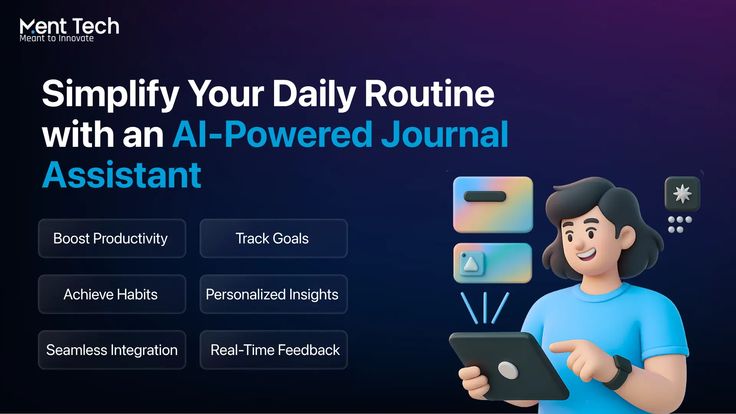
  • Intelligent Planners Are Changing the Way We Work

    In a world overloaded with tasks, meetings, emails, and endless checklists, managing daily activities efficiently is a growing challenge. Traditional planners and digital calendars often fall short in adapting to shifting priorities, task complexity, and personal work styles. This is where AI-powered solutions step in—redefining productivity through intelligent automation.

    Among the most transformative applications of AI technology today are journal assistants and AI daily planner tools. These systems go beyond scheduling—they learn from your habits, adapt to your routines, and help you optimize every hour of your day with precision. Built by forward-thinking AI development companies, these assistants are not only reshaping individual workflows but also revolutionizing how enterprises manage human productivity at scale.

    Rethinking Productivity with AI-Powered Journal Assistants

    Journal assistants are more than just advanced digital notebooks. These tools integrate AI technology to analyze daily behavior, prioritize activities, and adjust plans dynamically based on real-time inputs and changing conditions.

    Unlike static to-do lists, AI-driven journal assistants can:

    • Break down large tasks into smaller actionable steps
    • Offer intelligent time blocking suggestions
    • Monitor task completion rates and adjust future recommendations
    • Align personal goals with organizational KPIs
    • Integrate across platforms for seamless task tracking

    These features make journal assistants ideal not just for individuals but also for teams looking to create harmony between productivity and adaptability.

    Why Enterprises Are Turning to AI Daily Planners

    The rise of AI daily planner tools within organizations reflects a shift toward intelligent productivity management. These planners are trained to understand natural language inputs, learn employee work habits, and recommend task schedules that reduce burnout and increase output.

    Key enterprise use cases include:

    • Streamlining employee workloads using contextual task suggestions
    • Auto-prioritizing tasks based on urgency and impact
    • Enhancing team collaboration through shared AI-managed boards
    • Reducing decision fatigue by simplifying daily scheduling

    The ability to act like a personal executive assistant—combined with scalability across hundreds or thousands of employees—makes AI-powered solutions an indispensable asset in today’s hybrid work environment.

    The Role of AI Development Companies in Building Next-Gen Productivity Tools

    Behind the scenes of every successful journal assistant or AI daily planner is a skilled AI development company. These companies specialize in integrating machine learning, natural language processing, and adaptive learning frameworks to create tools that don’t just follow instructions but anticipate user needs.

    A top-tier AI development company ensures these tools remain:

    • Context-aware, understanding the nuances of user behavior
    • Secure and privacy-compliant for enterprise-grade deployments
    • Continuously learning and improving from user feedback
    • Capable of integrating with third-party APIs and enterprise systems

    Whether you’re a startup founder looking to optimize your day or a large enterprise aiming to boost workforce efficiency, the right development partner can build and customize AI-powered solutions tailored to your unique challenges.

    AI Technology That Learns and Adapts

    The true power of modern AI technology lies in its adaptability. Unlike rule-based systems of the past, today’s AI learns in real time and evolves with usage. For example, if a user consistently misses morning tasks, the AI might begin suggesting later slots. If deadlines are regularly missed, the assistant could recommend buffer periods and proactive reminders.

    These micro-adaptations form the core of intelligent productivity tools. As usage increases, the assistant becomes smarter—predicting behaviors, highlighting risks before they occur, and recommending the optimal path forward.

    Adaptive benefits include:

    • Smart reminders based on task complexity and time availability
    • Pattern recognition to suggest routine automation
    • Emotional and mental fatigue tracking through behavioral analysis
    • Integrated insights from email, calendar, and messaging apps

    This self-improving loop turns an AI daily planner into a reliable and proactive ally in everyday work.

    Task-Specific Workflow Agents: Precision Over Generalization

    Where traditional task managers fall short, task-specific workflow agents excel. These agents are purpose-built components within a larger AI-powered solution, each designed to handle specific categories of work.

    Examples include:

    • A content scheduling agent for marketing teams
    • A bug tracking agent for developers
    • A research logging agent for R&D departments
    • A compliance checklist agent for legal or finance teams

    These task-specific workflow agents work autonomously yet communicate with the core AI journal system to ensure continuity and coherence across tasks. This modular approach allows businesses to scale AI integration progressively—focusing on critical workflows first, then expanding.

    Real-Time Benefits for Different User Roles

    For Individuals:

    • Regain control over daily priorities
    • Reduce overwhelm through automated delegation
    • Achieve better work-life balance with intelligent time boundaries

    For Managers:

    • Track team productivity without micromanaging
    • Identify burnout risks early through behavior analytics
    • Align team efforts with business goals using shared intelligent planners

    For Enterprises:

    • Boost ROI through efficiency and reduced human error
    • Integrate with CRM, ERP, and project management tools
    • Enable organization-wide AI-first productivity culture

    From Scheduling to Decision-Making: The Expanding Role of AI Journal Assistants

    The journey of journal assistants doesn’t stop at productivity enhancement. As these tools evolve, they’re stepping into decision-support roles. Advanced systems are now capable of:

    • Providing data-backed suggestions for project timelines
    • Highlighting dependencies across departments
    • Offering “what-if” simulations for better decision outcomes
    • Learning organizational workflows and automating repetitive decisions

    This shift transforms AI from a passive scheduler to a proactive decision-making tool—an invaluable asset in fast-paced industries where agility and informed decisions define success.

    Industry Applications: Where AI Daily Planners Are Making Impact

    • Healthcare: Streamlining shift schedules for nurses and doctors, ensuring balanced workload
    • Finance: Managing client follow-ups, reporting deadlines, and compliance calendars
    • Education: Helping teachers and students track learning outcomes, syllabus progress, and class preparations
    • Tech Startups: Automating scrum workflows, sprint planning, and bug triaging
    • Law Firms: Organizing case-related tasks, court deadlines, and document submissions

    In each of these cases, AI assists not just in time management but in operational clarity—bringing together people, tasks, and data into one intelligent workflow ecosystem.

    Human-Centered AI: The Future Is Collaborative, Not Competitive

    Despite concerns around AI replacing jobs, tools like AI daily planners and journal assistants highlight a different narrative—collaborative intelligence. These solutions don’t replace human decision-making; they empower it.

    By automating the repetitive and optimizing the complex, AI tools free up mental bandwidth for creativity, critical thinking, and innovation. In other words, we’re not competing with AI—we’re partnering with it to do better work.

    Conclusion

    The rise of AI-powered solutions like journal assistants, AI daily planner tools, and task-specific workflow agents marks a significant leap forward in how we approach productivity. No longer just about ticking off to-do lists, the future of work is about intelligently managing time, energy, and priorities with the help of responsive, learning-driven systems.

    Businesses adopting these tools today are gaining more than just efficiency—they’re building smarter, more adaptive work cultures. And at the heart of this shift are AI development companies crafting the frameworks that will define the next decade of intelligent work.

    About Ment Tech
    Ment Tech is a leading AI development company specializing in the creation of AI-powered solutions that transform productivity, decision-making, and digital workflows. From journal assistants to advanced task-specific workflow agents, Ment Tech helps enterprises across sectors harness the full potential of AI technology.

    To explore customized AI integrations or build your own intelligent planner, connect with the Ment Tech team today.

  • In 2025, organizations across sectors are pivoting toward adaptive AI agents to reshape their operational fabric. These agents—smart, self‑learning, autonomous entities—are redefining how companies approach enterprise workflows, automating complex, multi‑step processes with agility and intelligence. At the same time, adaptive AI solutions are no longer optional—they are critical levers driving business growth in an increasingly competitive environment.

    The Rise of Adaptive AI: More Than Just Automation

    Traditional AI systems follow a fixed set of rules. In contrast, adaptive AI is dynamic. It learns from real-time data, recalibrates models continuously, and autonomously improves its own accuracy over time.

    Here’s why this matters:

    1. Personalization at Scale: Adaptive systems adjust customer experiences in real time based on behavior and preferences.
    2. Operational Agility: AI models automatically adjust to supply chain disruptions, user demand shifts, or compliance changes.
    3. Competitive Intelligence: With ongoing data feedback loops, businesses gain faster insights and more accurate forecasts.

    Adaptive AI doesn’t just automate tasks—it creates systems that improve themselves. This is becoming a critical differentiator in sectors like retail, finance, logistics, and healthcare.

    Where AI-as-a-Service Is Changing the Game?

    AI-as-a-service (AIaaS) is enabling faster adoption of machine learning tools without the need for large in-house data science teams. Businesses can now access enterprise-grade intelligence through APIs and cloud-native platforms that deliver:

    1. Forecasting and predictive analytics
    2. Image and speech recognition
    3. Natural language processing (NLP)
    4. Anomaly detection for fraud prevention
    5. Recommendation systems

    By embedding these services into existing systems—CRMs, ERPs, customer portals—companies are able to innovate faster, reduce costs, and experiment with less risk.

    The Business Case for Custom AI Development

    While off-the-shelf AI tools are useful, they rarely offer the precision or adaptability required by growth-stage or enterprise companies. A custom AI solution is designed around a business’s exact data, goals, user base, and technical stack.

    Some common applications of custom AI development include:

    1. Workflow Agents: Automating back-office operations like data entry, invoice processing, and HR onboarding
    2. Customer Insights Models: Detecting churn risk or purchase intent based on behavior
    3. AI Trading Assistants: Assisting in real-time market analysis and automated execution in financial platforms
    4. AI for EdTech: Creating adaptive learning environments that adjust to student performance

    With AI agents trained on proprietary data, businesses unlock unique advantages that can’t be replicated by generic platforms.

    AI Agents and Intelligent Workflows

    AI agents—whether built for customer service, operations, or finance—represent one of the most practical ways to integrate intelligence into daily workflows.

    Unlike traditional bots, AI agents are task-specific, context-aware, and continuously learning. For example:

    1. Customer Support Agents: Handle tier-one queries, learn from historical ticket data, and escalate intelligently.
    2. Sales Assistants: Analyze prospect behavior in CRM tools and suggest next steps or outreach timing.
    3. Logistics Agents: Monitor inventory, delivery status, and optimize routes in real-time based on external factors like weather or demand spikes.

    These agents reduce manual workload, cut down on decision time, and offer a measurable impact on productivity.

    Implementing AI: From Strategy to Deployment

    AI implementation isn’t just about writing algorithms. It requires a structured process, starting from ideation to full deployment and beyond. Key phases include:

    1. Use Case Discovery
      Identifying high-impact areas where AI will generate measurable ROI.
    2. Data Engineering
      Cleaning, structuring, and validating data pipelines to ensure model accuracy.
    3. Model Development
      Building machine learning or deep learning models tailored to your data.
    4. Deployment & Integration
      Embedding the model into real-world systems with API endpoints, dashboards, or software interfaces.
    5. Monitoring & Optimization
      Continuously evaluating model performance, retraining with new data, and improving outputs.

    Without this complete lifecycle approach, even the most advanced AI models can become stagnant or misaligned with business needs.

    Real-World Impact Across Industries

    1. Retail: Dynamic pricing engines adjust product prices based on demand, seasonality, and competitor activity.
    2. Healthcare: AI models assist in diagnostics, patient monitoring, and treatment predictions.
    3. Finance: Real-time fraud detection systems identify suspicious transactions within milliseconds.
    4. EdTech: Adaptive learning paths customize educational content to individual learning speeds.

    The takeaway? Every industry now has use cases where AI delivers measurable gains in efficiency, revenue, or customer satisfaction.

    What to Consider Before You Begin?

    Before launching any AI initiative, businesses should consider:

    1. Do you have clean, usable data?
    2. What internal workflows are bottlenecks?
    3. What customer problems are repetitive and solvable through automation?
    4. Is your infrastructure ready to support real-time data processing?
    5. How will the AI system evolve with your business?

    Answering these questions helps shape a realistic AI roadmap that minimizes risk and maximizes value.

    Conclusion: Why AI Agents and Adaptive AI Solutions Matter Now

    By 2025, the paradigm of adaptive AI agents and enterprise workflows managed by them is no longer futuristic—it’s today’s reality. These systems offer agility, scalable intelligence, and cost savings, fundamentally altering how work gets done. Organizations that embrace adaptive AI solutions now position themselves for sustainable business growth, while those who hesitate risk falling behind.

    The opportunity is clear: treat AI agents not as tools, but as digital teammates, and design your enterprise to thrive in an agent‑centric future.

    Looking to integrate intelligent AI agents into your business workflows?

    Ment Tech offers enterprise-grade AI development services, including adaptive AI solutions, AI-as-a-service frameworks, and custom automation tools tailored to your operations.

    Contact Ment Tech here to explore how AI can drive real impact for your business.

  • The Rise of Autonomous AI Agents

    Today’s digital landscape demands smarter systems—enter AI agents. Talking about everything from AI trading assistants to workflow agents, these intelligent programs automate decision-making, enhance efficiency, and adapt without constant human oversight. Some even leverage RAG agents (Retrieval-Augmented Generation), pulling in real-time data to inform intelligent choices.

    As businesses move toward AI‑as‑a‑service offerings, these agents are no longer experimental—they’re core to building agile, scalable platforms.

    Leading Agent Frameworks for Smarter Automation

    These frameworks power autonomous agents and are pivotal in AI development workflows:

    • AutoGen & CrewAI: Built for multi-agent orchestration, ideal for coordinating workflow agents across complex tasks.
    • LangChain & LlamaIndex: Perfect for building RAG agents that retrieve information while producing context-aware responses.
    • LangGraph: Designed for branching logic and stateful task flows—useful in finance, support, and AI trading assistant development.
    • Semantic Kernel: Offers secure, modular scaffolds for reliable deployment of agents in demanding environments.

    Each framework enables powerful, agent-driven automation without reinventing foundational logic.

    Why Autonomous Agents Matter?

    • AI Agents as Scalable Features: Integrate intelligent assistants into apps, websites, or internal tools using AI‑as‑a‑service infrastructure.
    • Smarter Business Workflows: Workflow agents can monitor, predict, and act—automating customer onboarding, data analysis, or trading operations.
    • Real-Time Decision Systems: Agents operate continuously—ideal for AI trading assistant scenarios, fraud detection, and personalized notifications.

    This vision of autonomous AI means faster action, fewer errors, and more efficient systems.

    Applying AI Agents Across Business Use Cases

    Use CaseRecommended Agent Framework
    Multi-task orchestration & executionAutoGen, CrewAI
    Intelligent information retrievalLangChain + LlamaIndex
    Complex workflows and error recoveryLangGraph
    Secure, enterprise-grade agent toolsSemantic Kernel

    This modular stack supports everything from AI trading assistants to enterprise automation and data-driven dApps.

    Building a Future with Agent-Driven AI

    AI agents are more than tools—they’re partners in automation. With AI-as-a-service, companies can offer intelligent features—like financial forecasting, report generation, or smart notifications—without rising deployment costs. Organizations gain flexibility, resilience, and smarter responses to evolving workflows.

    Whether you’re implementing AI agents as part of AI development, training RAG agents for support roles, or rolling out AI trading assistants—the future of automation is live and in production.

    Conclusion: Intelligent Agents Are the New Standard

    Agent-Powered Systems Are Enterprise-Ready

    Frameworks like LangChain, AutoGen, and Semantic Kernel have matured to support real-world needs—delivering autonomous AI agents, workflow automation, and custom models powered by AI-as-a-service infrastructure. When paired with expert AI development services, these frameworks enable businesses to deliver scalable, adaptive, and high-performance systems.

    From RAG agents that power support tools to AI trading assistants optimizing financial flows, these agents are becoming standard features in smarter digital ecosystems. As automation evolves, agent-driven intelligence is the engine powering it.

Design a site like this with WordPress.com
Get started